Padua Hosts the 2025 FOCUS – Borsa del Placement

1 December 2025, Padua — From within the frescoes walls that line Padua’s historic Scuola della Carità, a question that has hovered over Italy’s research community for years finally emerged with new urgency: what will happen to the thousands of highly trained researchers when the wave of NRRP funding recedes?

Co-organized by Fondazione Emblema and the National Center for Gene Therapy & Drugs based on RNA Technology, and moderated by SkyTG24 journalist Franco Ferraro, the 2025 edition of Focus – Borsa del Placement served as an important moment of reflection on how to transform a temporary investment into a lasting competitive advantage for the country.

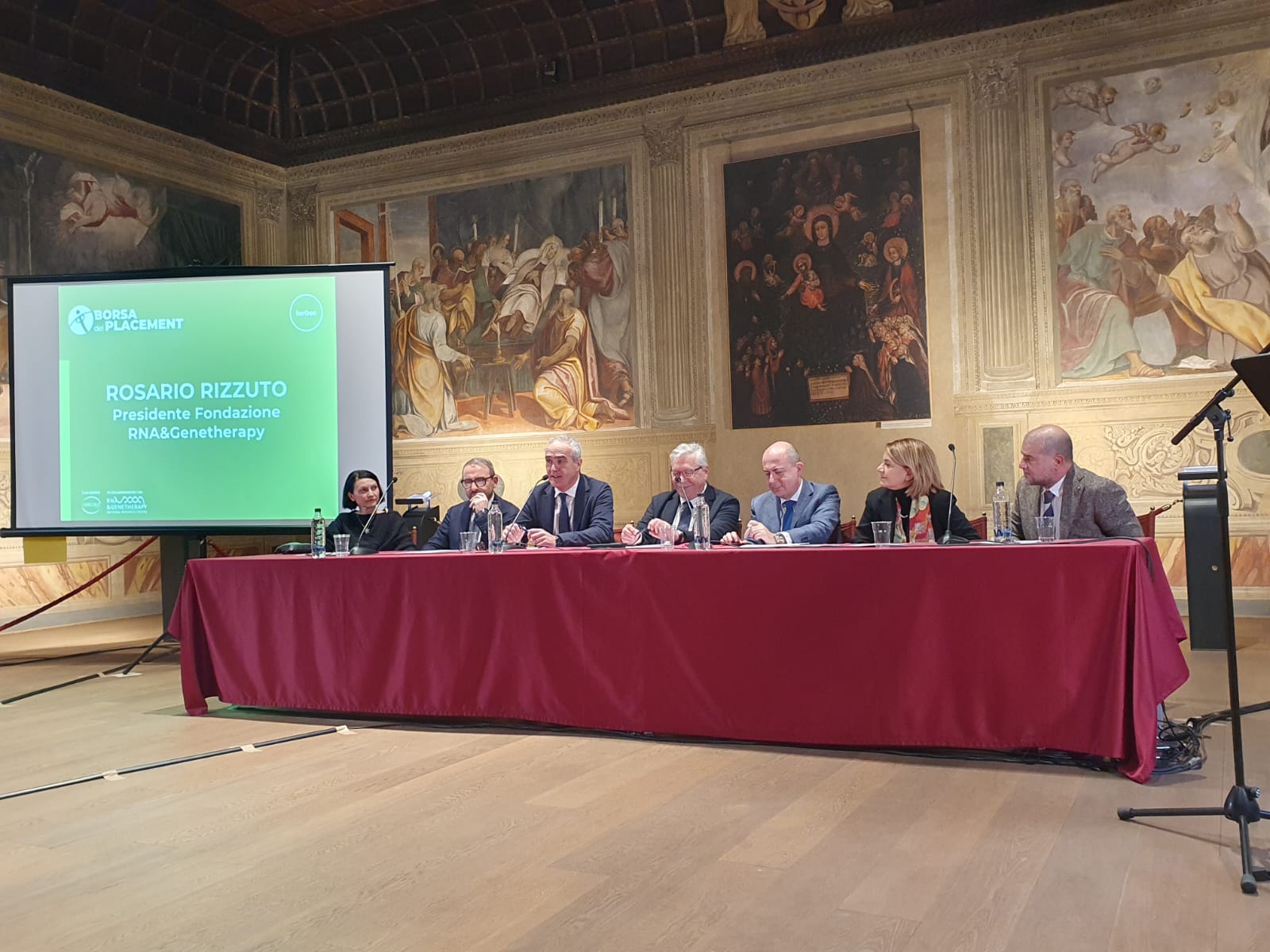
The event opened with remarks by Rosario Rizzuto, President of the National Center, followed by Tommaso Aiello, President of Fondazione Emblema, who presented the 2025 Placement Report. The report highlighted the results achieved across the seven NRRP projects that adopted the program, including the participation of more than 1,200 researchers and over 100 companies.

The Placement Program aims to guide young researchers toward a clearer understanding of their skills and the professional opportunities available to them. Activities ranged from in-person coaching sessions across Italy to Assessment Center simulations, direct meetings with companies, and a national Virtual Fair that enabled nearly 800 interviews. For those interested in entrepreneurship, the Contamination Lab and the Club Deal provided both theoretical preparation and direct exposure to potential investors.

Within this broader framework, the National Center played a central role, engaging a diverse community of PhD candidates, postdocs, research fellows, technologists, researchers, and students from the PharmaTech Academy. Their level of participation was consistently high across all phases of the program.

During the orientation phase, nine two-day coaching sessions—eight held in person at the Spokes and one online—drew 111 researchers from the National Center. The Virtual Help Desk further strengthened individual support, with 100 profiles from the Center uploaded to the platform and 76 researchers receiving personalized guidance for CV review and interview preparation.

The placement phase confirmed the growing interest of industry in the Center’s scientific community. The Recruiting Days, featuring R&D and HR managers from participating companies, engaged between 15 and 30 National Center researchers in each of the 20 sessions. The Virtual Career Day, reserved exclusively for National Center participants, saw 49 researchers take part in 107 scheduled interviews with 16 companies—clear evidence of the demand for these highly specialized profiles.

Entrepreneurship activities added yet another dimension of professional growth. The Contamination Lab, delivered in two intensive modules, engaged 12 National Center researchers and equipped them with the knowledge and tools necessary to shape innovative ideas into potential business ventures.

Supporting all of this is a dedicated digital portal that will continue to host researcher profiles and facilitate contact with companies well beyond the formal end of the NRRP projects—ensuring that the connections established during the program remain active in the years ahead.

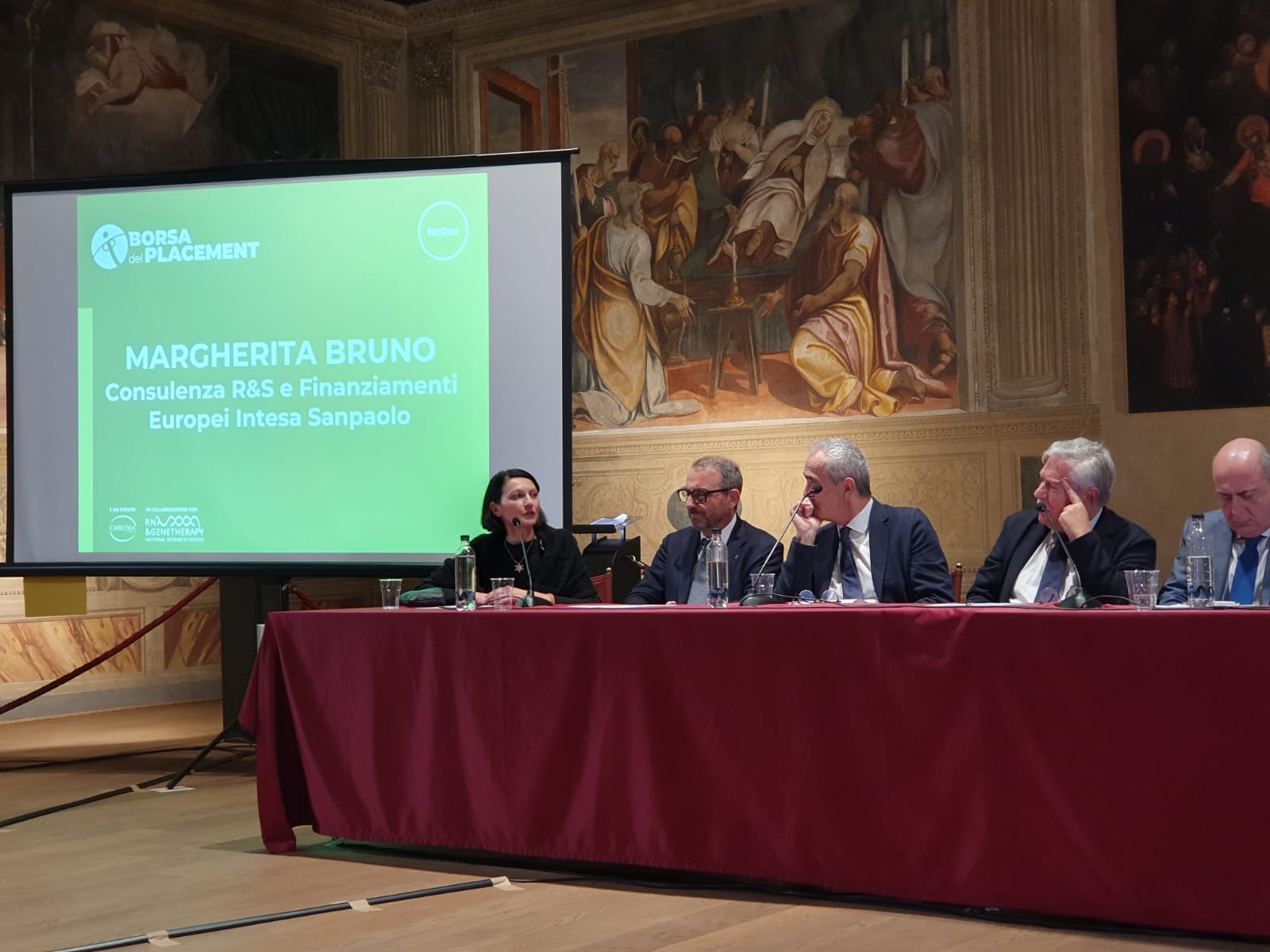
The round table, moderated by Franco Ferraro, brought together voices from sectors that rarely have the chance to speak directly to one another. Participants included Tommaso Aiello, Mariangela Amoroso (Sanofi), Margherita Bruno (Intesa Sanpaolo), Bruno Catalanotti (PharmaTech Academy), Fabio Graziosi (Fondazione Vitality and Rector of the University of L’Aquila), and Rosario Rizzuto. Despite their different perspectives, all emphasized a common need: Italy must establish a stable, long-term model for the placement of highly specialized researchers.

Contributions from Elena Quagliato (National Center Program Manager), Michele Detomaso (Italian Red Cross), Loredana Luzzi (MNESYS), Daniela Pinto (Giuliani Pharma), Marta Rapallini (FAIR Foundation), and Marco Romano (GRINS Foundation) clearly emphasized that the future of researcher placement depends on shared responsibility. Careers no longer originate from a single institution but from a network of entities capable of supporting a solid labor market and a research ecosystem oriented towards the public good.

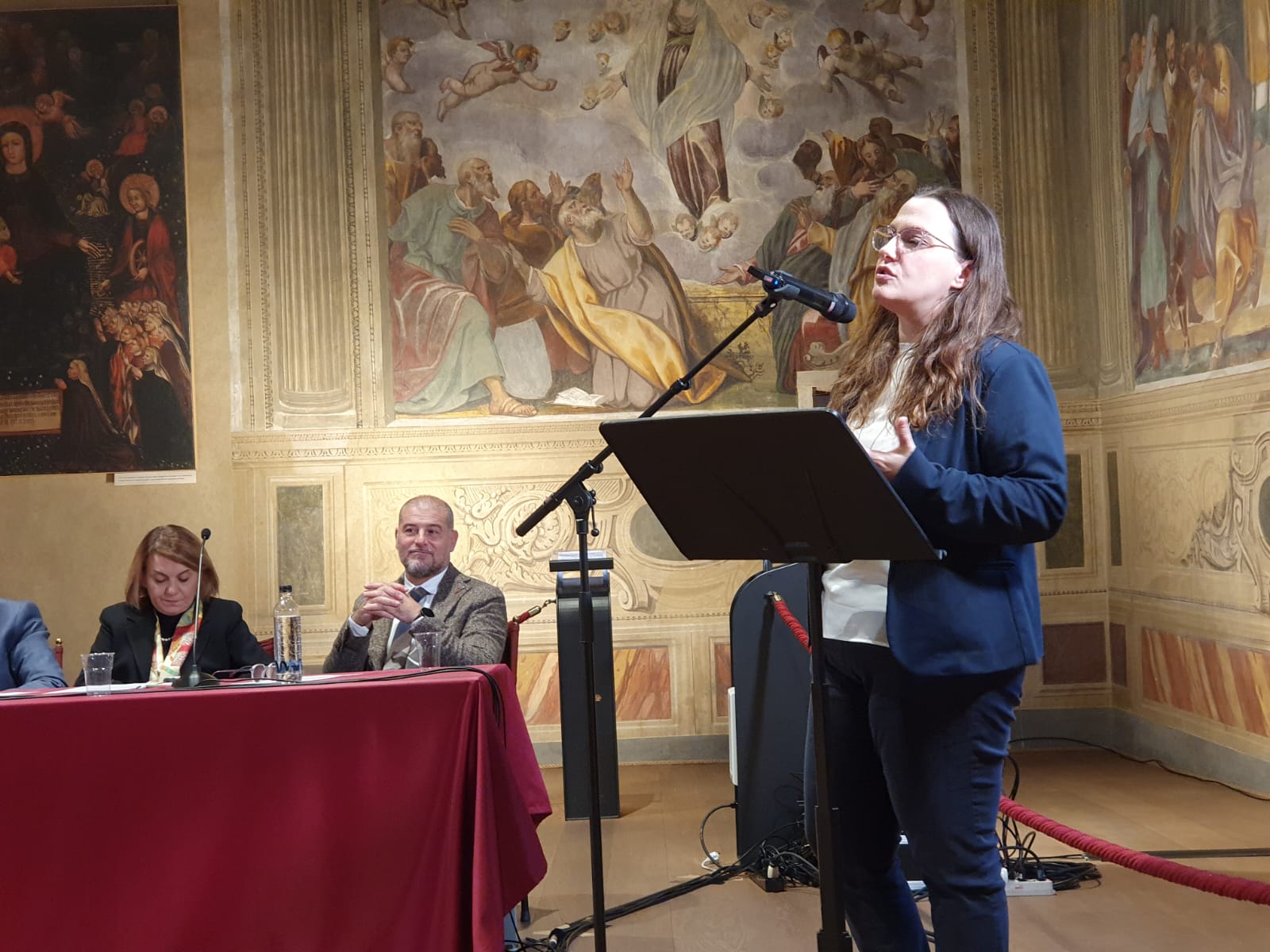
In the second part of the presentations, two RTDA researchers from the University of Urbino, belonging to the Vitality ecosystem, shared their personal experiences, offering concrete evidence of the impact that the program is having on the development of skills and professional orientation of young scientists.

The NRRP has catalyzed the growth of an exceptional generation of young scientists working across knowledge-intensive fields—from RNA therapeutics and quantum technologies to neuroscience, photonics, and advanced materials. Yet without a structural vision capable of supporting long-term career development, much of this talent risks dispersion.

The Placement Program demonstrated that when universities, companies, and national centers coordinate their efforts, researchers acquire concrete tools to access stable and innovative professional pathways aligned with their expertise.

At the same time, the discussions underscored the need to consolidate and scale this model beyond the duration of the NRRP. Italy’s researchers are not merely participants in short-term projects—they are the engine of a new knowledge economy. The country’s challenge in the coming years will be to ensure that this engine continues to run well beyond the end of the NRRP funding period.

Latest news

Italy–China Innovation Week 2025: The National Center Showcases Gene Therapy and RNA Technologies for Precision Medicine – Driving Innovation Momentum, Co-creating a Sustainable Future

GeneRNAtion Challenge – Advancing Personalized Medicine

The National Center at the Second Edition of the Italy–US Tech Business and Investment Matching Initiative, Washington D.C.

The National Center at Italy’s General Assembly on Biomedical Research

Rosario Rizzuto Attends the 2025 Festival di Salute

National Center Researchers Join Tribute to Professor Federico Rea