Precision Medicine Offers New Hope for Children with Life-Threatening Autoimmune Disorders

6 February 2026, Rome – Putting into practice the activities of Spoke 10 related to pre-clinical development, Good Manufacturing Practices (GMP) and clinical trials of Gene Therapy Medicinal Products (GTMPs), a cutting-edge gene therapy approach originally developed to treat cancer is now delivering transformative results for children with severe, life-threatening autoimmune diseases. Supported by funding from the National Center for Gene Therapy and Drugs Based on RNA Technology and other European, Italian and German institutions, the breakthrough highlights how advanced gene therapy research is rapidly translating into clinical care.

The findings, recently published in Nature Medicine, come from an international study coordinated by Ospedale Pediatrico Bambino Gesù (OPBG) in Rome in collaboration with the University Hospital Erlangen in Germany. The research demonstrates that CD19-directed CAR-T cell therapy can induce sustained, drug-free remission in pediatric patients with severe autoimmune disorders that had proven resistant to conventional treatments.

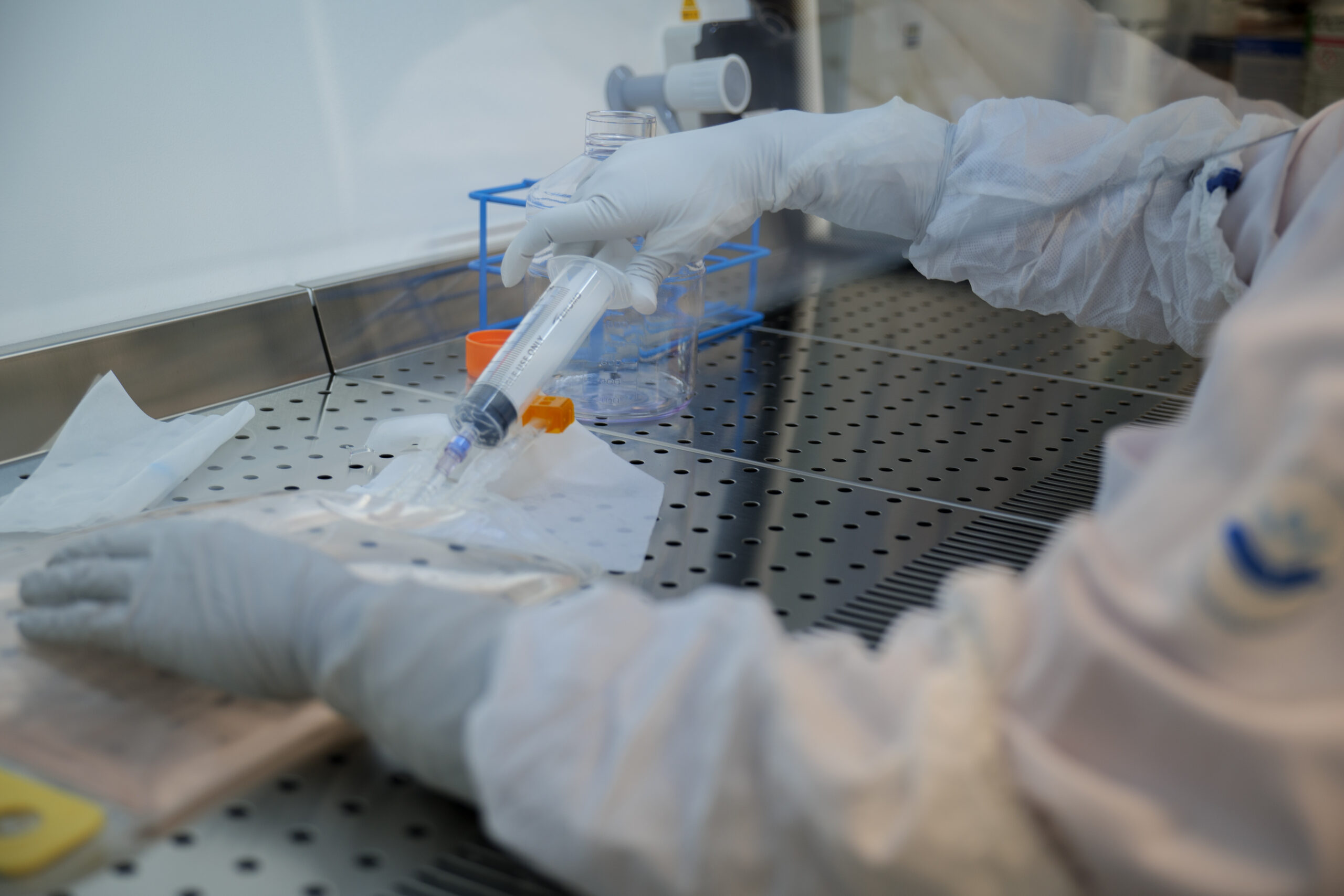
Much of the study was conducted within the newly established Gene Therapy Research Laboratory at Bambino Gesù, inaugurated in October 2025 as a milestone initiative of the National Center. The facility provides state-of-the-art infrastructure for the development and in-house manufacturing of advanced therapy medicinal products, strengthening Italy’s capacity to deliver innovative gene and cell therapies directly to patients and accelerating the translation of laboratory discoveries into clinical applications.

The case series involved eight children and adolescents between the ages of five and seventeen affected by particularly aggressive diseases, including systemic lupus erythematosus and systemic sclerosis. All patients had previously undergone multiple lines of therapy without success and were facing progressive damage to vital organs such as the kidneys and lungs.

More than one year after receiving a single infusion of autologous CD19 CAR-T cells, every child was able to discontinue immunosuppressive medications. Seven of the eight achieved complete remission, with no detectable signs of disease. Researchers describe these outcomes as unprecedented in such a high-risk pediatric population.

Chimeric antigen receptor T-cell therapy, better known as CAR-T therapy, has already transformed the treatment of certain blood cancers. The technique involves collecting a patient’s immune cells, genetically engineering them to recognize a specific target, and reinfusing them to eliminate harmful cells. In autoimmune diseases, the strategy shifts from targeting tumors to selectively eliminating B cells that drive immune dysregulation, effectively “resetting” the immune system. After infusion, the engineered cells expanded rapidly in the body, cleared pathological B cells, and led to marked reductions in disease activity, with early signs of reversal of organ damage.
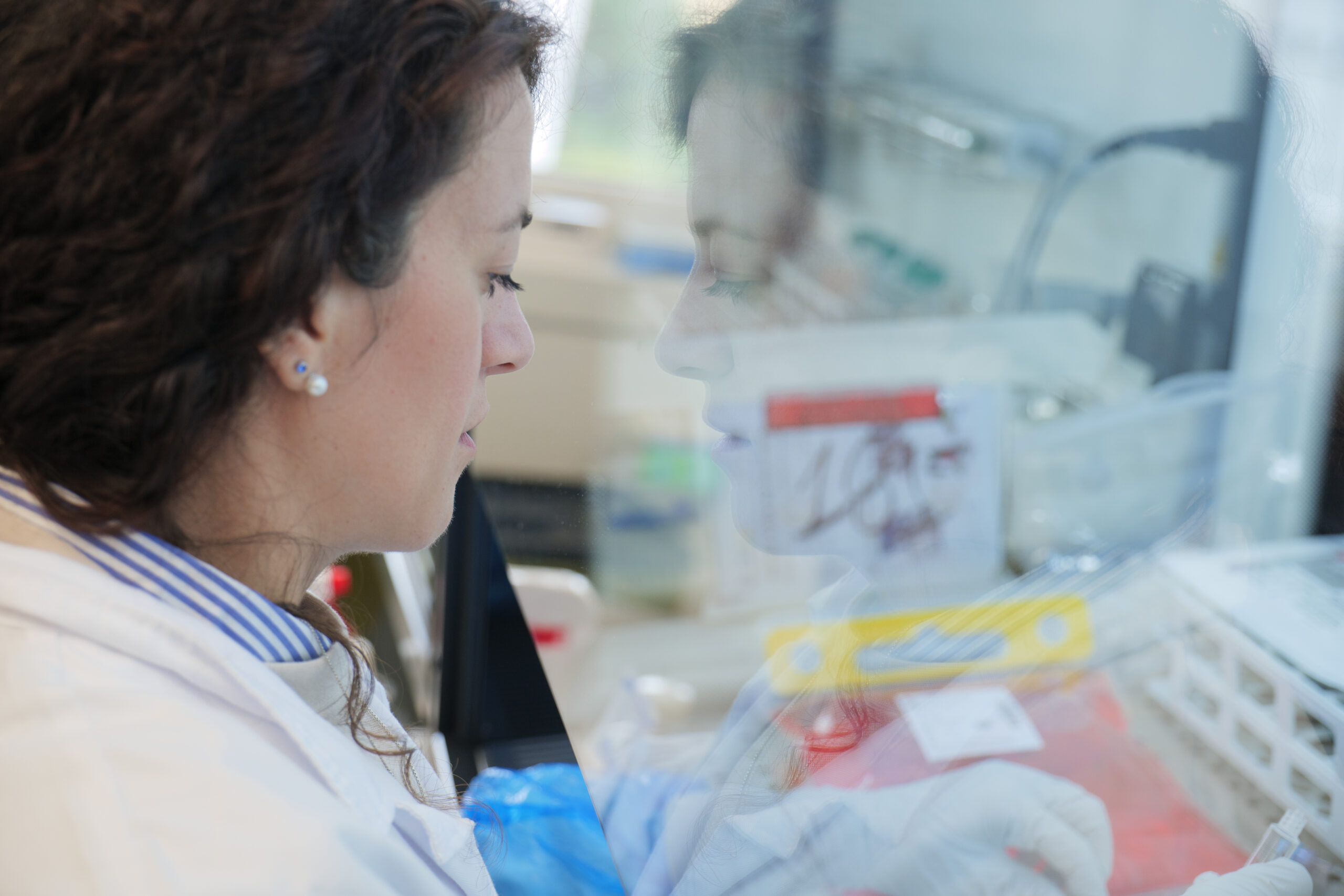
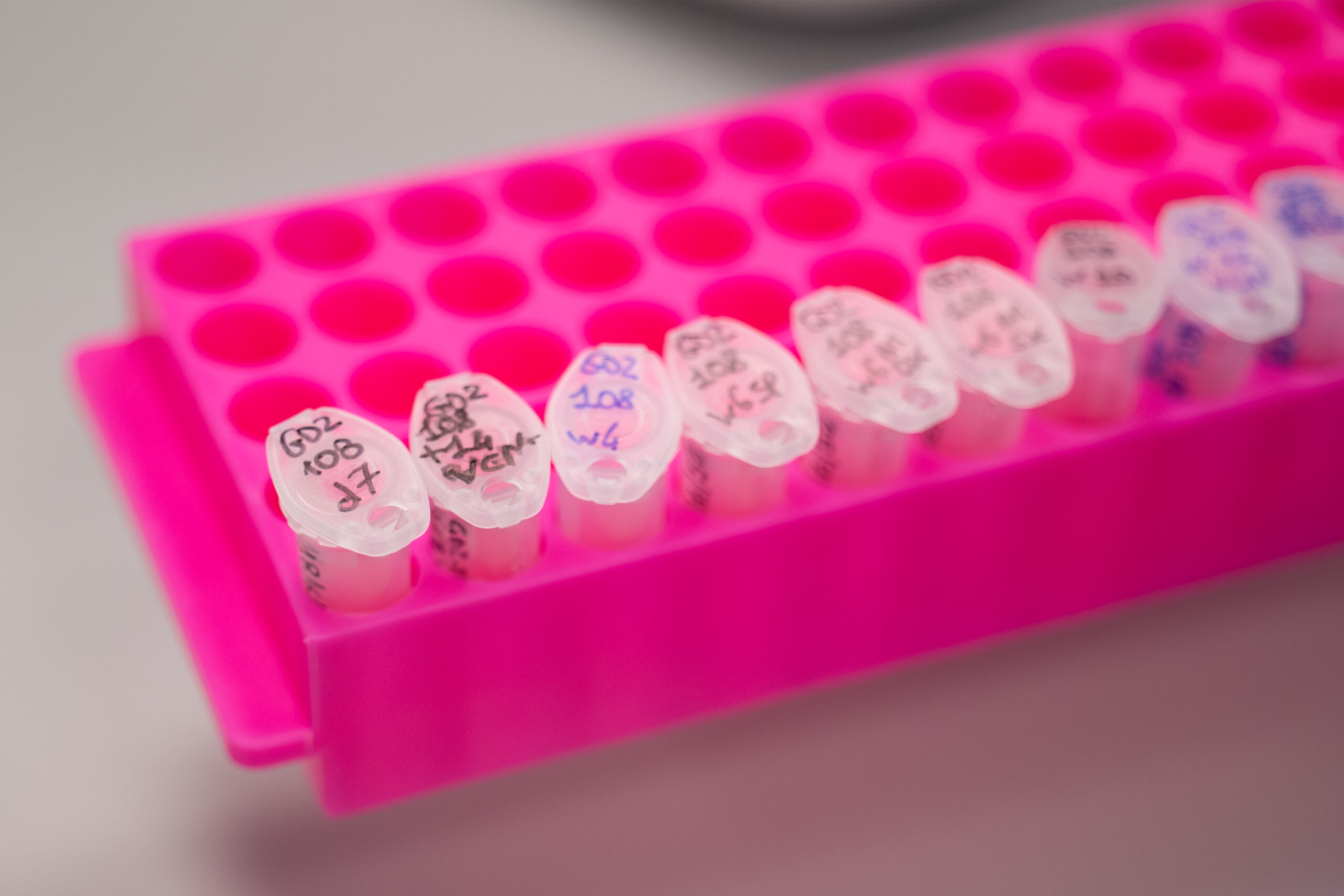
The treatment was administered through Europe’s Hospital Exemption framework, which allows academic medical centers to produce advanced therapy medicinal products for patients with life-threatening conditions who lack valid therapeutic alternatives. The CAR-T product was manufactured under Good Manufacturing Practice conditions at the Bambino Gesù GMP facility, authorized by the Italian Medicines Agency (AIFA). Patients will undergo long-term safety monitoring, including gene therapy surveillance, for up to fifteen years.

Although the study involved a small number of patients, the consistency and durability of the responses strongly support the launch of formal clinical trials in children and adolescents. If confirmed in larger cohorts, CAR-T therapy could be introduced earlier in the treatment pathway, potentially changing the natural course of severe autoimmune diseases rather than serving only as a last-resort option.

The research was led by Professor Franco Locatelli, Vice President of the National Center, Scientific Coordinator of Spoke 10 and a leading figure in the development of advanced cell and gene therapies in Europe, together with a multidisciplinary team of clinicians and scientists from Bambino Gesù and collaborating institutions, including the University of Erlangen, Magna Graecia University, and the University of Naples Federico II. Their collaborative work underscores the growing role Europe holds in the next-generation of precision medicine.

Latest news

RNA-Based Therapies: Results of Spoke 6 Presented in Naples

The National Center Unveils a New Imaging Facility

Padua Hosts the 2025 FOCUS – Borsa del Placement

Italy–China Innovation Week 2025: The National Center Showcases Gene Therapy and RNA Technologies for Precision Medicine – Driving Innovation Momentum, Co-creating a Sustainable Future

GeneRNAtion Challenge – Advancing Personalized Medicine

The National Center at the Second Edition of the Italy–US Tech Business and Investment Matching Initiative, Washington D.C.