Third Edition of PharmaTech Academy Celebrates Graduation Day and Launches a New Phase in Advanced Therapeutic Education

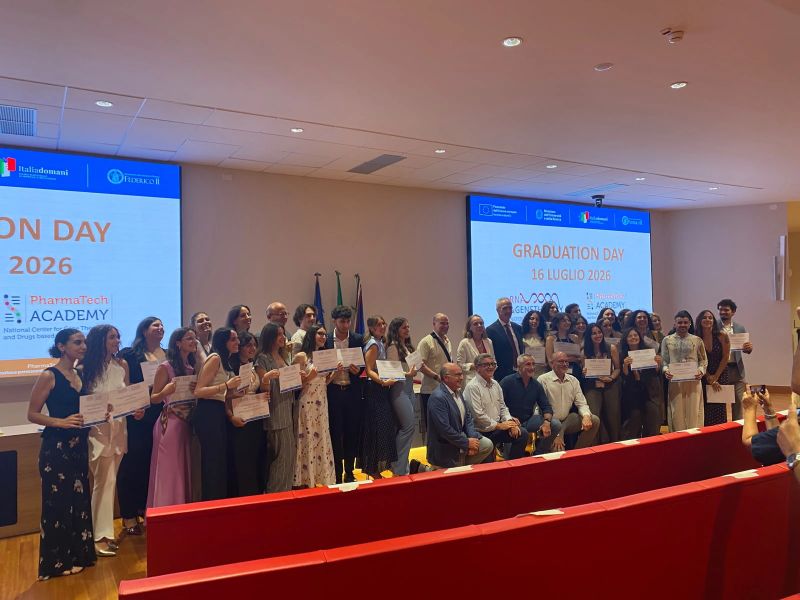
17 July 2026, Naples – Thirty students celebrated the successful completion of the third edition of the PharmaTech Academy during Graduation Day at the University of Naples Federico II, marking the culmination of an intensive multidisciplinary training program designed to prepare the next generation of professionals in gene therapy and RNA-based technologies. The event also looked to the future with the presentation of the Advanced PharmaTech Academy, a new lifelong learning initiative that will further strengthen Italy’s expertise in advanced therapies.

From October 2025 to July 2026, students followed a highly specialized educational pathway combining scientific coursework, laboratory activities, workshops and project-based learning. The program equipped participants with the scientific, technical and professional competencies needed to contribute across the entire innovation pipeline—from research and development to industrial manufacturing and clinical application.

The ceremony opened with institutional greetings from Prof. Matteo Lorito, former Rector of the University of Naples Federico II and recently appointed member of the Board of Directors of the National Agency for the Evaluation of the University System and Research (ANVUR), and Prof. Angelo A. Izzo, Director of the Department of Pharmacy at the University of Naples Federico II. The opening session continued with contributions from Prof. Angela Zampella, Interim Rector of the University of Naples Federico II and President of the Supervisory Board of the National Center for Gene Therapy and Drugs based on RNA Technology; Prof. Rosario Rizzuto, President of the National Center; Prof. Bruno Catalanotti, Director of the PharmaTech Academy; and Laura Ascione, Project & Technology Innovation Manager at Materias.

Now in its third edition, the PharmaTech Academy has established itself as a unique lifelong learning program in Italy, developed within the National Center Foundation to prepare highly qualified professionals for the rapidly evolving fields of gene therapy and RNA-based medicines. Since its launch through the National Recovery and Resilience Plan (NRRP), the Academy has continuously expanded its educational offering, reflecting the National Center’s long-term commitment to developing the scientific, technological and professional skills needed to strengthen Italy’s advanced therapy ecosystem.

Bringing together expertise from leading universities, research centers and 23 industry partners, the program continues to distinguish itself through its learning by doing philosophy, combining scientific excellence with practical experience and the development of essential soft skills. Throughout the program, students worked alongside researchers and industry professionals, gaining first-hand experience in a sector evolving at extraordinary speed.

One of the defining components of the Academy remains its Project Work, which provides students with direct experience in research laboratories, biotechnology companies and pharmaceutical industries. For the third edition, partner organizations offered either the traditional three-month placement or an extended six-month internship, enabling students to undertake longer and more in-depth professional experiences. Five organizations selected the extended format, allowing eleven students to further develop their expertise within highly specialized industrial environments.

Students completed their project work across a broad network of pharmaceutical companies, biotechnology enterprises, research institutes and innovation organizations, including Anemocyte, Biogem, CEINGE, Deloitte Advisory, Dompé Farmaceutici, the National Center for Gene Therapy and Drugs based on RNA Technology, Giuliani, InnovAAVector, IRBM, Italfarmaco, Knowledge for Business, Nouscom, Novartis, PoliRNA and Sanofi.
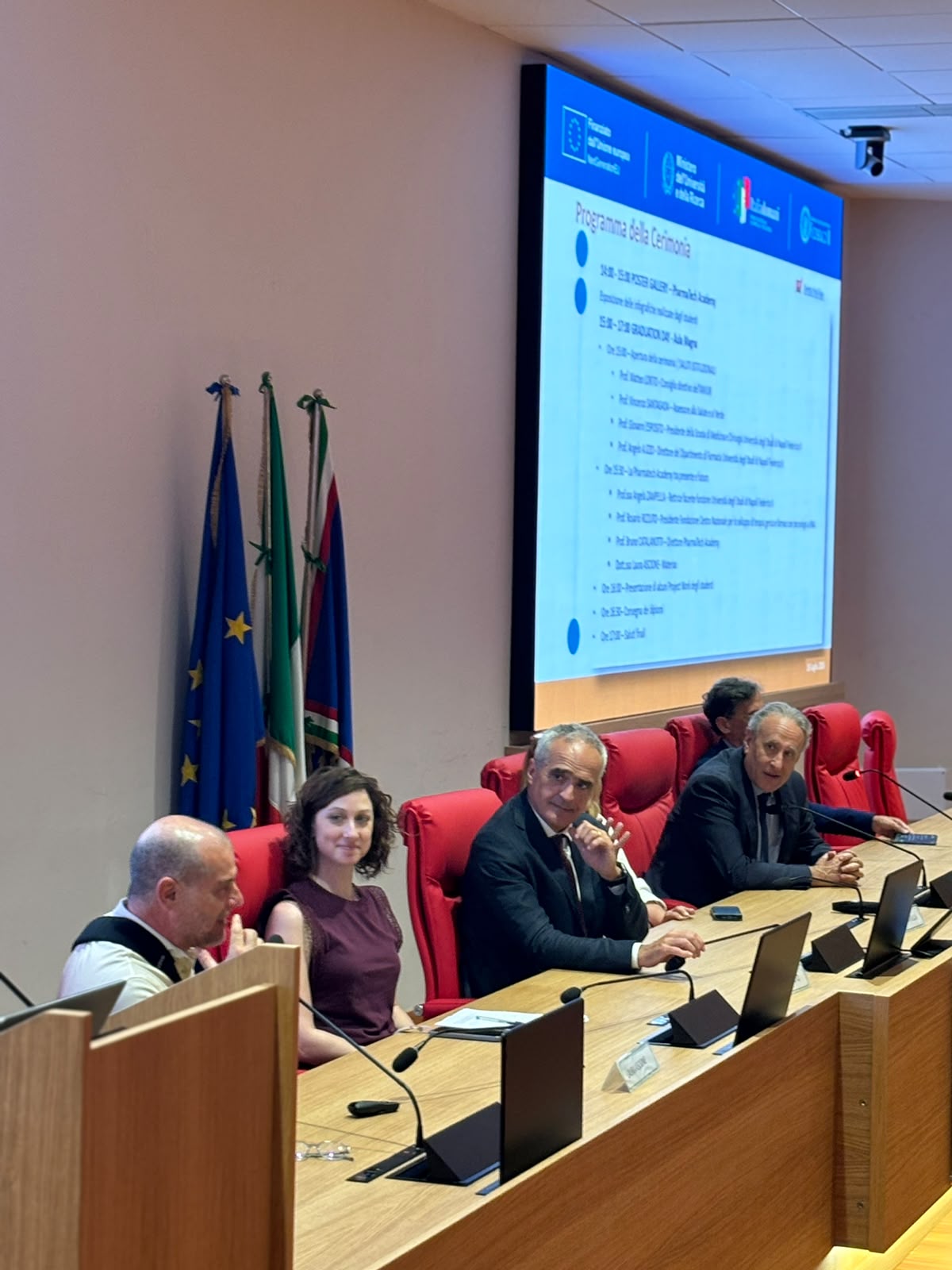
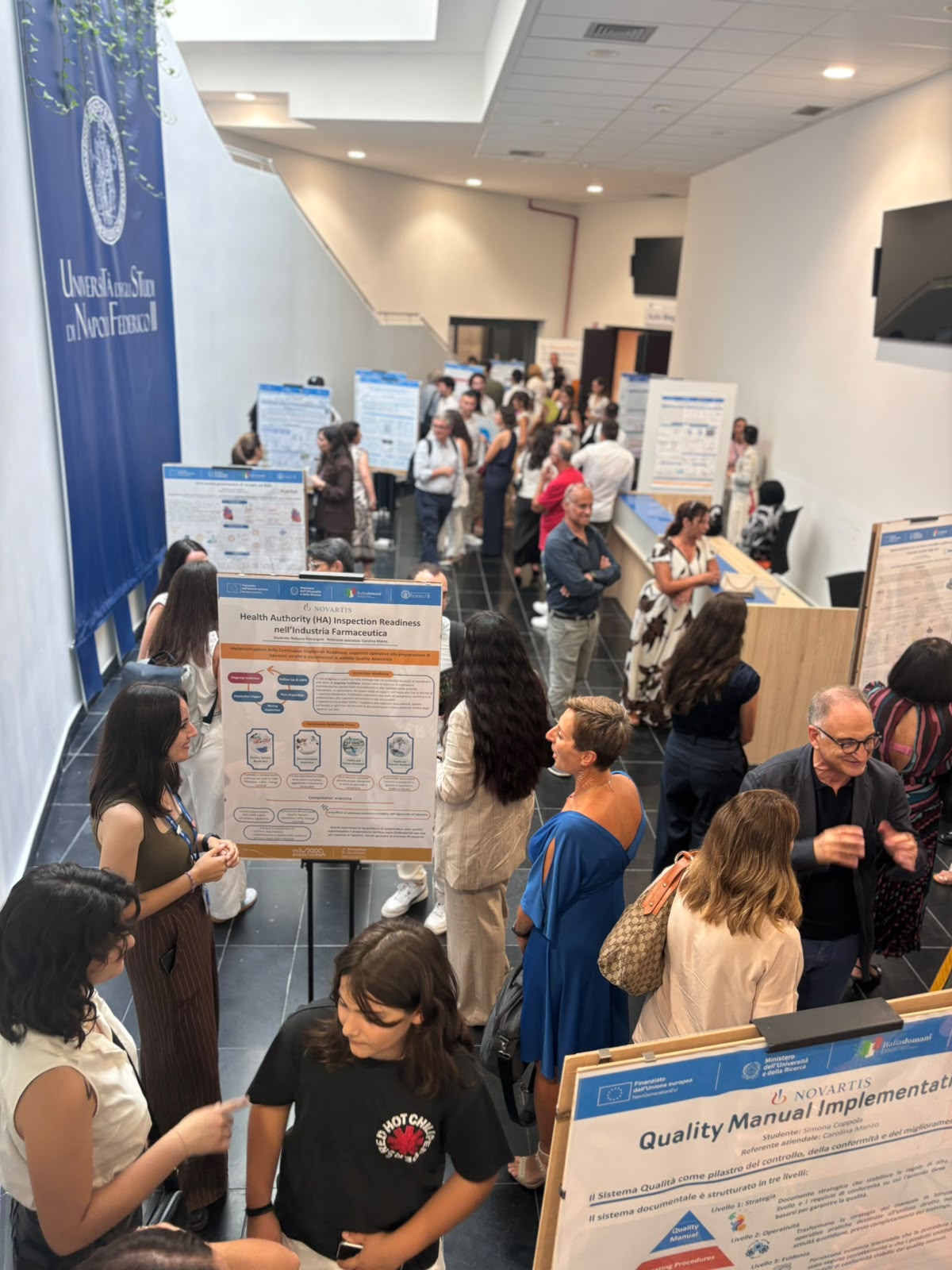
A highlight of the ceremony was a selection of student presentations showcasing the diversity of projects developed during their industrial placements. Simona Carbone presented her work at Novartis on GMP deviation management, demonstrating how quality compliance can become an opportunity for continuous improvement throughout pharmaceutical development. Rita Della Porta illustrated her research at Giuliani, investigating innovative miRNA delivery platforms for gastroenterological applications through advanced in vitro validation strategies. Giulia Mirone and Francesca Rinaldi shared their experience at Anemocyte, where they contributed to the optimization and analytical validation of large-scale therapeutic mRNA production while applying GMP and ISO quality standards in an industrial setting. Emma Polito concluded the session by presenting her project at InnovAAVector, where she implemented a new analytical quality control technique within a GMP manufacturing environment dedicated to viral vectors for gene therapy.

These experiences reflected one of the Academy’s defining strengths: providing students with the opportunity to apply classroom knowledge to real industrial challenges while developing technical expertise, teamwork, problem-solving abilities and an understanding of the rigorous quality and regulatory standards that underpin advanced therapeutic development.

The Class of 2026 comprised 30 students from highly qualified academic backgrounds spanning biology, biotechnology, medicine, pharmacy, pharmaceutical chemistry and biomedical engineering. Representing six Italian regions—Calabria, Campania, Emilia-Romagna, Molise, Puglia and Sicily—the cohort demonstrated the Academy’s growing national reach. The program also continued its strong commitment to supporting women in STEM disciplines, with women representing more than 80% of the graduating class.

As gene therapies, RNA medicines and other advanced therapeutic medicinal products continue to transform healthcare worldwide, the demand for highly specialised professionals continues to grow. According to GlobalData (2025), the global cell and gene therapy market is projected to exceed US$76 billion by 2030, highlighting the strategic importance of educational programmes capable of preparing the workforce needed to translate scientific discoveries into innovative therapies for patients.

Looking beyond Graduation Day, Prof. Bruno Catalanotti presented the next phase of the Academy’s educational vision. While confirming that applications for the fourth edition of the PharmaTech Academy will open shortly, he also announced the launch of the Advanced PharmaTech Academy, beginning in October 2026 and supported through the Ministry of University and Research’s PN RIC program.

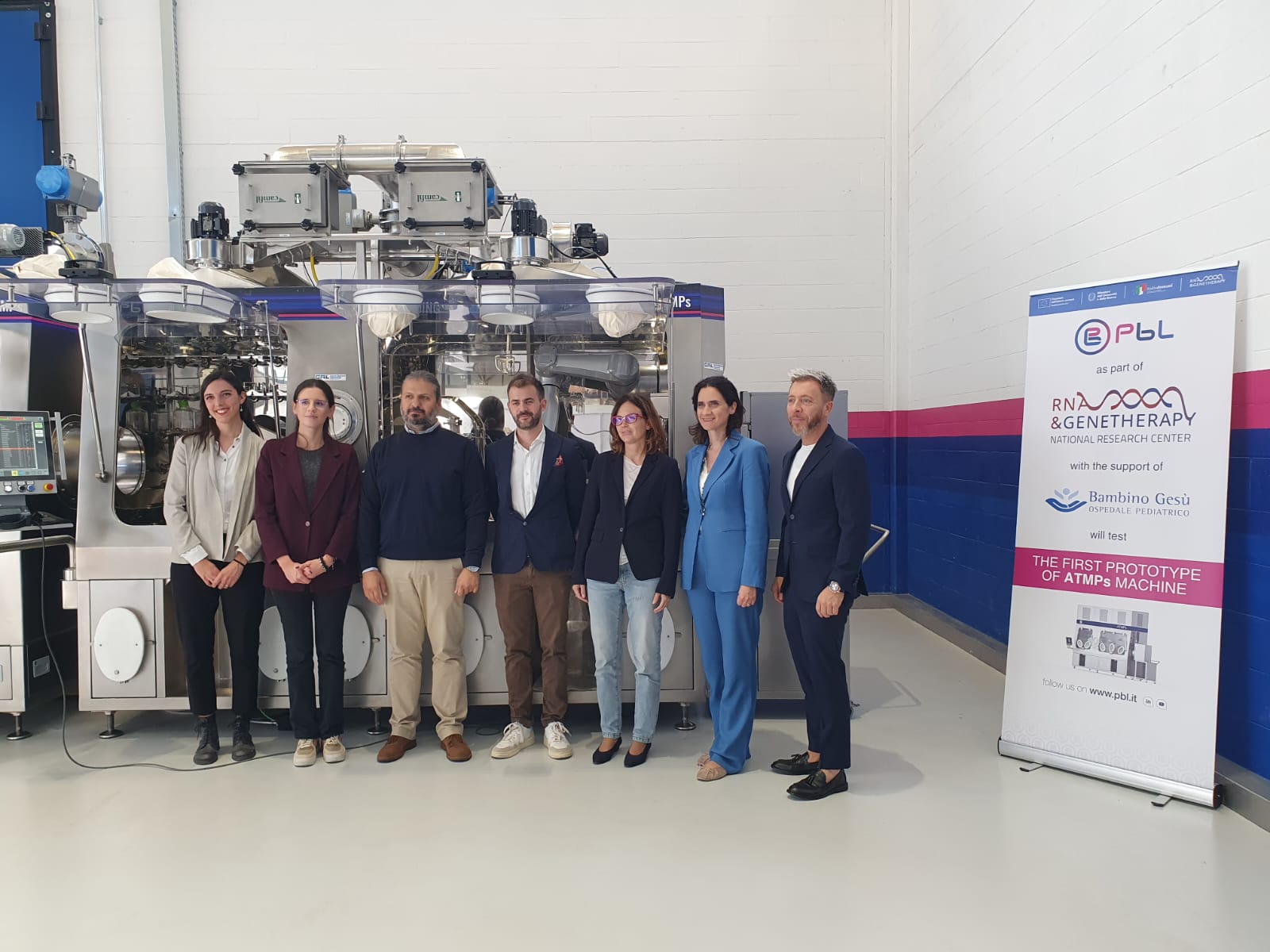
Designed for professionals already working in the pharmaceutical and biotechnology sectors, the Advanced PharmaTech Academy will offer a flexible 60-hour blended learning program combining online and in-person teaching with advanced training in emerging therapeutic technologies, leadership and soft skills, artificial intelligence, extended reality (XR) and innovative digital tools. Developed in collaboration with PBL, one of the National Center’s industrial partners, the program will also integrate immersive virtual reality experiences and advanced robotic technologies.

Graduation Day celebrated not only the achievements of the Class of 2026 but also the continued evolution of an educational model that successfully brings together universities, research institutions and industry to prepare the professionals who will shape the future of gene therapy, RNA technologies and advanced medicines.

Latest events

The Future Is Now: Italy’s National Center enters a new phase for gene therapies and RNA-based medicines

The Future Is Now: the National Center for RNA & Gene Therapy’s concluding PNRR event to take place in Rome on 2 April

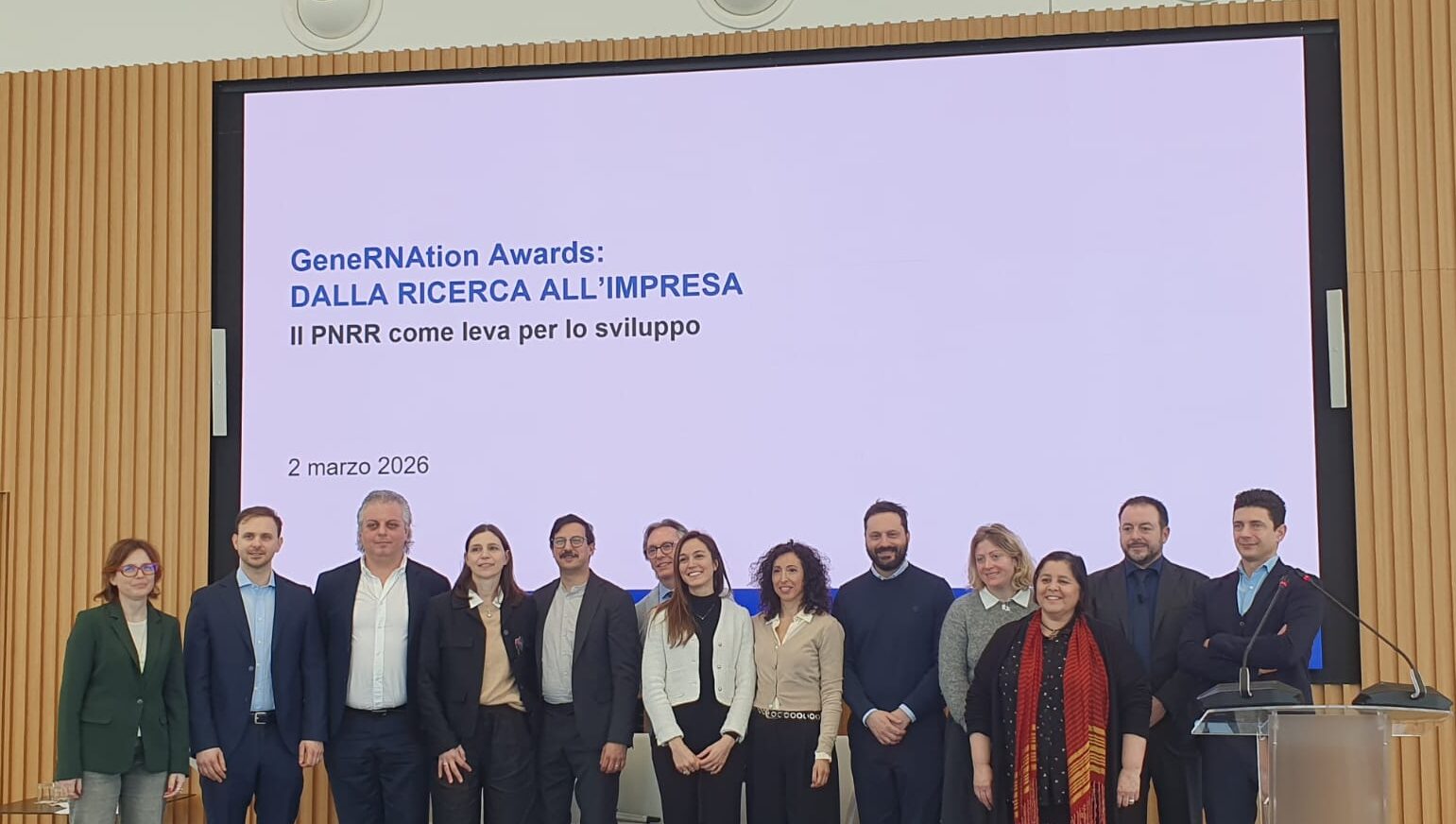
GeneRNAtion Awards: Driving Innovation in RNA and Gene Therapy

Spoke 9 Hosts the Second Scientific Congress on RNA Drug Pharmacology

New Gene Therapy Lab at the Bambino Gesù Children’s Hospital – IRCCS

PBL offers an Exclusive Look into the Future of Advanced Biopharmaceutical Manufacturing