Innovation and the Future of Healthcare

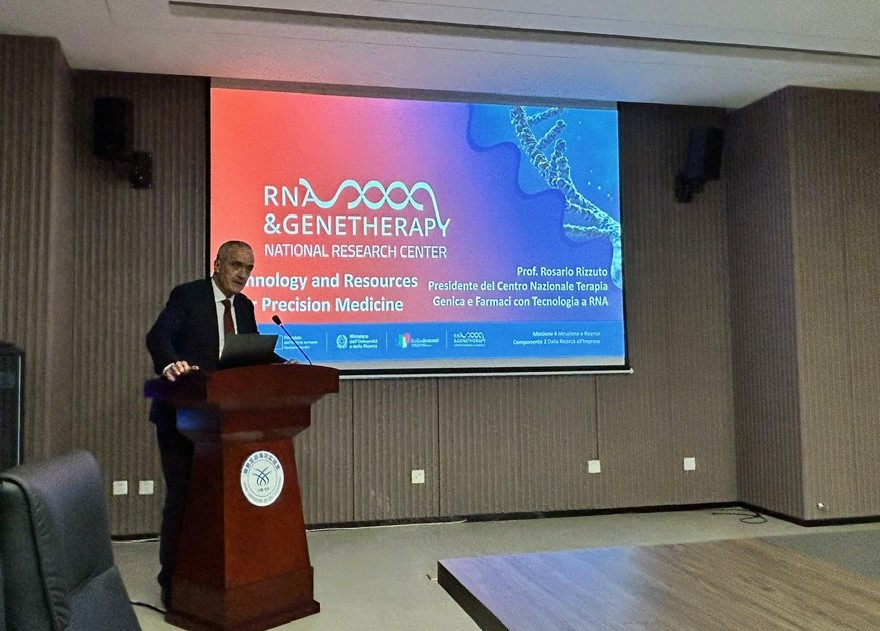
10 April 2025, Rome – Innovation is vital to sustaining public healthcare systems, but balancing it with limited resources remains a major challenge. Professor Rosario Rizzuto, President of the National Center for Gene Therapy and RNA Drugs, brought a strong voice to this topic at the recent ADNKRONOS event “Health and Healthcare, the Double Track” in Rome.

Addressing critical issues like pharmaceutical governance, waiting lists, and antimicrobial resistance—key themes also discussed at the G7 Health Summit in Ancona—Rizzuto emphasized that innovation must become a universal right to ensure the sustainability of Italy’s National Health Service (Servizio Sanitario Nazionale – SSN).

One urgent threat is antimicrobial resistance, which costs European healthcare systems 1.5 billion euros annually and causes 35,000 deaths. The EU’s plan to cut antibiotic use by 20% by 2030 and incentivize new treatments is a positive step, but Rizzuto warned that without strong domestic innovation, Italy risks falling behind.

“The SSN is our country’s greatest asset,” Rizzuto stated. “We must address shortages of healthcare staff while strengthening our ability to compete globally. Medicine is already personalized, and the future will demand therapies tailored to each genetic mutation.” He stressed that simply purchasing technology—as Italy did with pandemic vaccines—is not enough; the country must actively develop advanced therapies, particularly in RNA-based medicine.

RNA technology, often associated with vaccines, offers far broader possibilities, with the ability to target virtually any structure inside a cell. “RNA and gene therapy are undoubtedly the future,” Rizzuto affirmed.

The National Center for Gene Therapy and RNA Drugs plays a pivotal role in realizing this vision, ensuring that Italy is not just a consumer but a global leader in biomedical innovation. Thanks to the excellence of its researchers, Italy now stands on par with the world’s leading scientific hubs. However, with NRRP funding ending in 2026, maintaining this momentum will require continued strategic investment.

The ADNKRONOS event, featuring voices from government, academia, and industry, underscored the urgent need to modernize healthcare governance, reduce waiting times, combat antibiotic resistance, and accelerate innovation. A survey presented during the event also highlighted public perceptions of the growing competition between public and private healthcare sectors.

Ultimately, the message was clear: Investing in research, ensuring technological independence, and embracing the potential of RNA and gene therapy are essential if Italy’s healthcare system is to meet the challenges of tomorrow.
Latest news

Precision Medicine Offers New Hope for Children with Life-Threatening Autoimmune Disorders

RNA-Based Therapies: Results of Spoke 6 Presented in Naples

The National Center Unveils a New Imaging Facility

Padua Hosts the 2025 FOCUS – Borsa del Placement

Italy–China Innovation Week 2025: The National Center Showcases Gene Therapy and RNA Technologies for Precision Medicine – Driving Innovation Momentum, Co-creating a Sustainable Future

GeneRNAtion Challenge – Advancing Personalized Medicine