National Center Patronage Puts Precision Medicine at the Heart of Microfluidic Horizons 2026

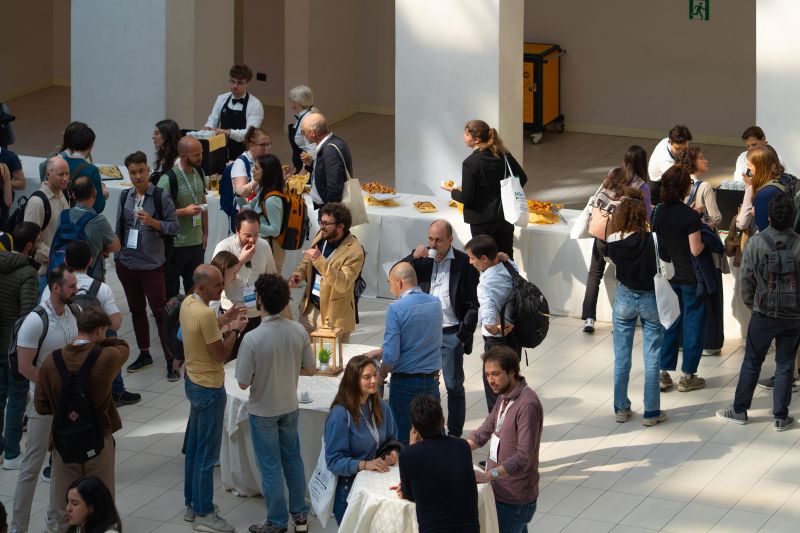
22 May 2026, Padua – Continuing its commitment to the advancement of biomedical technologies and precision medicine, the National Center offered its patronage to the internationally recognized Microfluidic Horizons 2026 conference. Held in Padua from 18–22 May 2026, the conference welcomed leading scientists, engineers, clinicians, and innovators working at the frontier of microfluidics, biotechnology, and translational medicine.

Reinforcing Italy’s expanding role in the global precision medicine landscape, the conference features plenary lectures, oral presentations, poster sessions, and scientific discussions highlighting how microfluidics, organ-on-chip systems, and RNA-based technologies are transforming the future of medicine. In doing so, the event further advances the National Center’s mission to promote a healthcare model that is increasingly precise, decentralized, sustainable, and patient-centered.

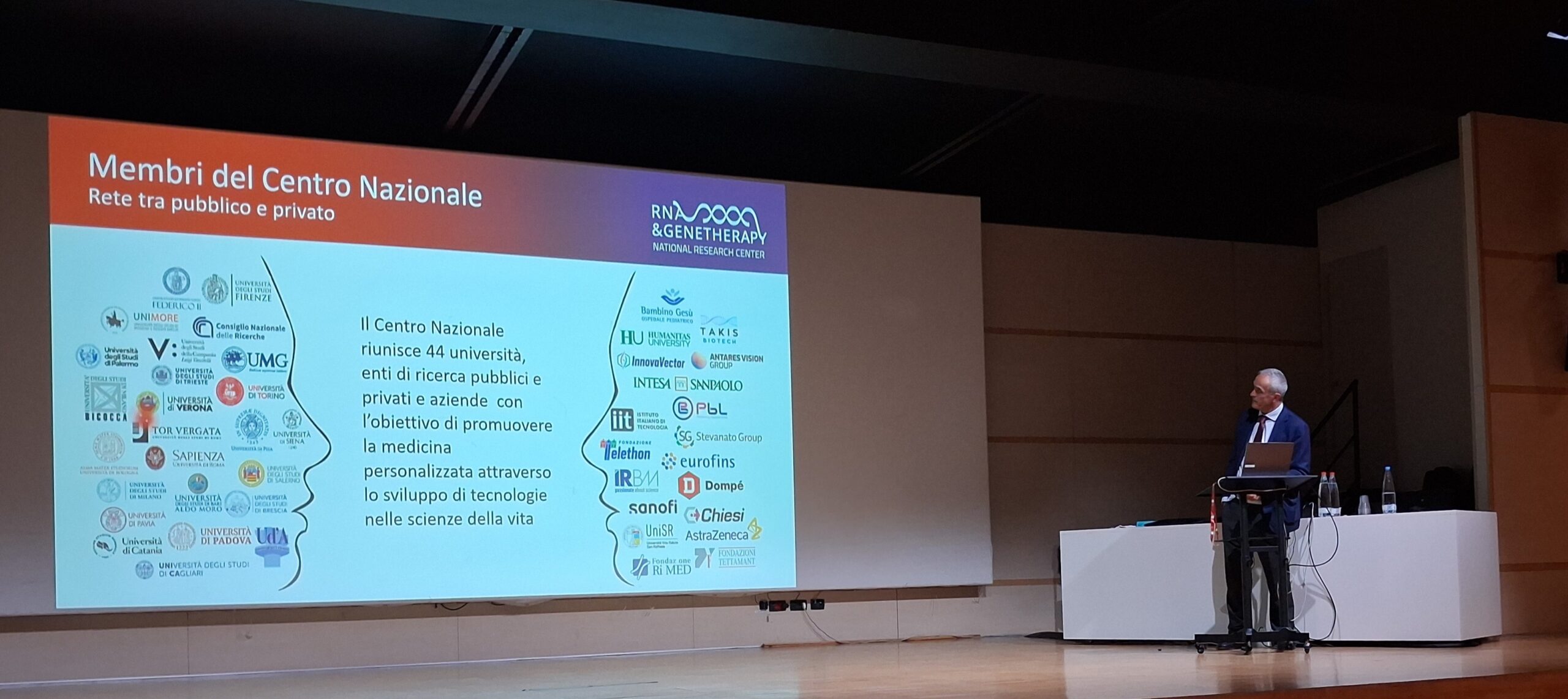
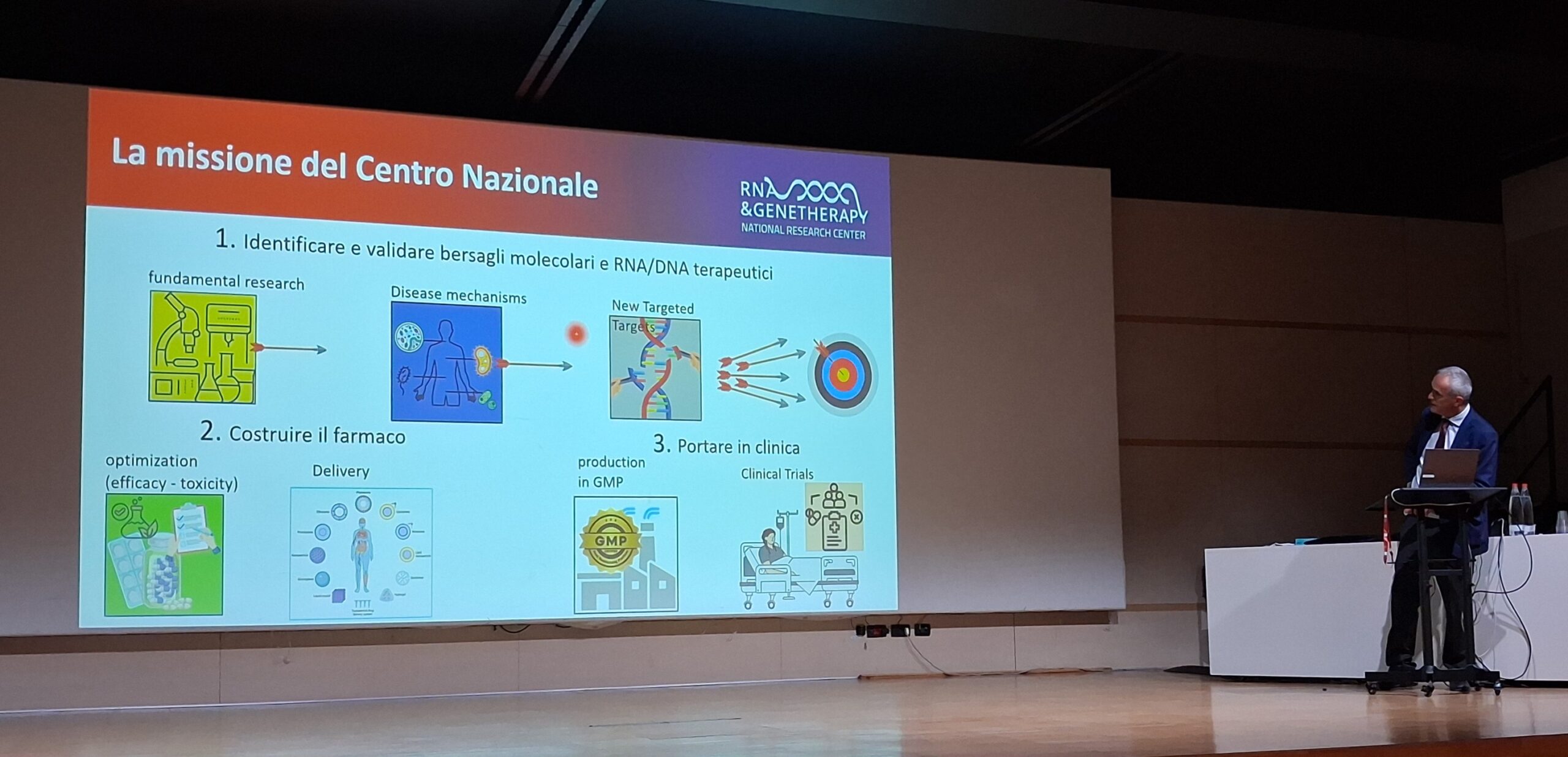
The conference concluded with closing remarks delivered by National Center President Rosario Rizzuto titled Gene Therapy and RNA Drugs: A National Center Responding to the Challenge of Precision Medicine.

In his address, Rizzuto focused on one of the defining challenges facing modern healthcare: transforming rapidly growing molecular knowledge into highly targeted therapies tailored to individual patients while preserving the sustainability of healthcare systems.

The discussion highlighted how microfluidic technologies now offer a revolutionary tool in this transition, helping move medicine beyond the traditional “one-size-fits-all” model toward decentralized, personalized, and on-demand therapies.  By manipulating microscopic quantities of liquids within miniaturized channels and devices, microfluidics has made it possible for entire laboratory functions to be integrated onto compact ‘Lab-on-Chip’ systems. Today, this technology is driving massive leaps in areas like single-cell analysis, rapid disease diagnostics, and organ-on-a-chip models that simulate human physiology to test new drugs to support the development and evaluation of new therapies before clinical testing.

These technologies continue to demonstrate their value in rapid diagnostics, drug screening, DNA analysis, and precision therapeutics, while also opening new possibilities for distributed healthcare models capable of delivering faster and more individualized treatments.

“In microfluidics, an entire experiment can fit within an invisible fraction of a raindrop,” explained Prof Matteo Pierno of the University of Padua, among the conference organizers. “These micro-laboratories can perform rapid medical diagnostics, develop new drugs, analyze DNA, and much more.”

Among the plenary speakers was Paolo A. Netti, internationally recognized for his work in bioengineering and advanced biomaterials. His participation further underscored the central role of Spoke 8 in advancing translational research at the intersection of biomaterials, microfluidics, and precision medicine.

The National Center’s participation in the conference also reflected years of work dedicated not only to advancing research, but also to making complex technologies such as organ-on-chip systems, RNA therapeutics, and microfluidic platforms more accessible and understandable to a broader public audience.

Through Platforms for RNA/DNA Delivery, the activities of Spoke 8, researchers across Italian institutions and industrial partners develop advanced RNA delivery systems designed to transport therapeutic molecules safely and efficiently to specific cells and diseased tissues. Their work includes the development of lipid and polymeric nanoparticles, viral vectors, vesicles, and next-generation delivery technologies capable of improving the precision and effectiveness of RNA-based therapies.

Research activities within Spoke 8 continue to explore alternative biological models including organoids and organ-on-chip platforms to evaluate toxicity and biological activity, particularly in oncology applications. These systems allow scientists to recreate highly controlled physiological environments while reducing reliance on traditional experimental models.

Microfluidics plays a central role in this effort by enabling the production and testing of RNA-based nanoplatforms at increasingly scalable levels. Combined with advanced imaging, omics sciences, artificial intelligence, and Good Manufacturing Practice (GMP) production strategies, these technologies support the transition from laboratory research toward clinically viable therapies.

While the event draws a parallel with those involved in Spoke 8 towards developing Platforms for RNA/DNA Delivery, the broader scientific contribution of the National Center’s network includes researchers from Spokes 1, 2, and 4 contributing important publications in the field of microfluidic-enabled RNA delivery systems and nanoparticle engineering.

Latest news

Extended Application Deadline – Legal Officer

Naples Hosts Global Dialogue on RNA Therapeutics as Italy’s National Center Takes Center Stage

INSPIRE Morning Talk Explores Impact and Future of Italy’s PNRR Research Initiatives

Advanced Cell and Gene Therapy Workshops 2026

Precision Medicine Offers New Hope for Children with Life-Threatening Autoimmune Disorders

RNA-Based Therapies: Results of Spoke 6 Presented in Naples