The discussion highlighted how microfluidic technologies now offer a revolutionary tool in this transition, helping move medicine beyond the traditional “one-size-fits-all” model toward decentralized, personalized, and on-demand therapies. By manipulating microscopic quantities of liquids within miniaturized channels and devices, microfluidics has made it possible for entire laboratory functions to be integrated onto compact ‘Lab-on-Chip’ systems. Today, this technology is driving massive leaps in areas like single-cell analysis, rapid disease diagnostics, and organ-on-a-chip models that simulate human physiology to test new drugs to support the development and evaluation of new therapies before clinical testing.
These technologies continue to demonstrate their value in rapid diagnostics, drug screening, DNA analysis, and precision therapeutics, while also opening new possibilities for distributed healthcare models capable of delivering faster and more individualized treatments.
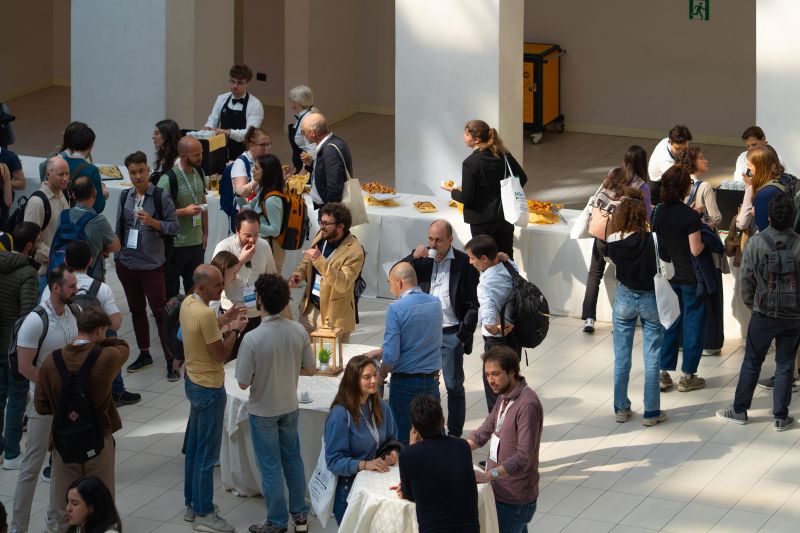
“In microfluidics, an entire experiment can fit within an invisible fraction of a raindrop,” explained Prof Matteo Pierno of the University of Padua, among the conference organizers. “These micro-laboratories can perform rapid medical diagnostics, develop new drugs, analyze DNA, and much more.”
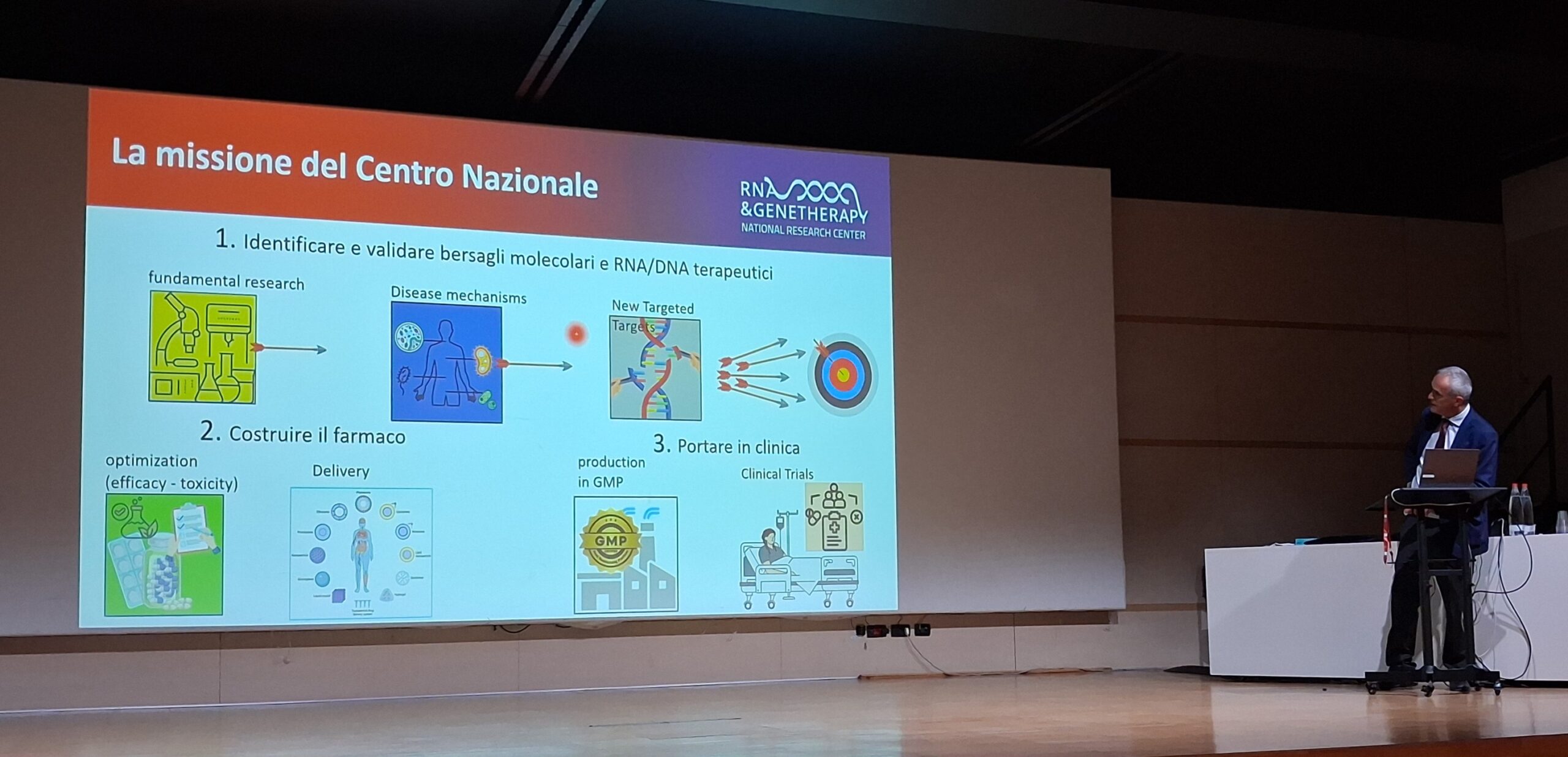
Among the plenary speakers was Paolo A. Netti, internationally recognized for his work in bioengineering and advanced biomaterials. His participation further underscored the central role of Spoke 8 in advancing translational research at the intersection of biomaterials, microfluidics, and precision medicine.